Last Updated on May 16, 2026 by Yatrapur
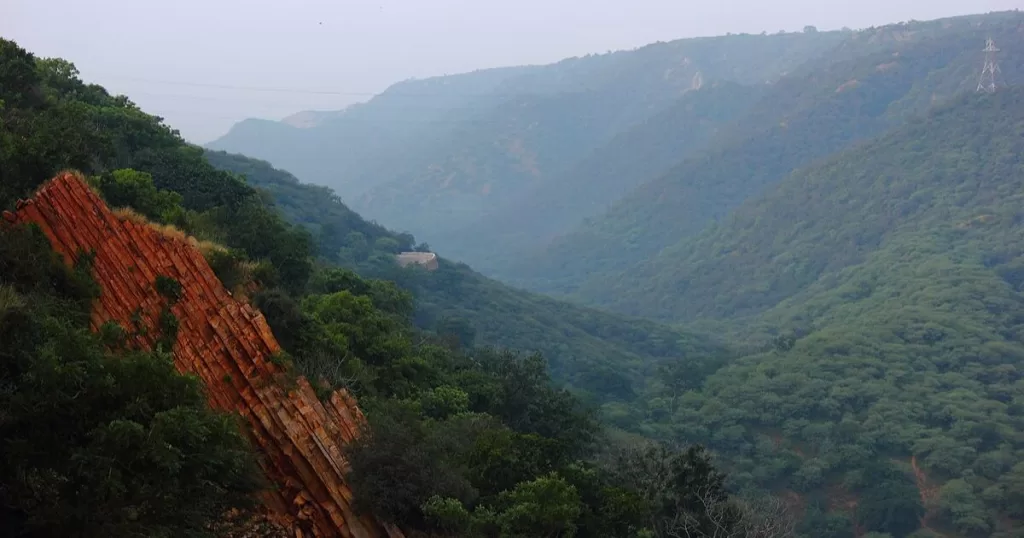
The Aravalli Range is one of the oldest mountain chains on Earth. It begins in Gujarat and reaches all the way to Delhi. These hills stretch for about 690 kilometers across Northwest India. Most of the range, about 550 kilometers, is located in the state of Rajasthan. These mountains are not just rocks; they are very important for the environment and the people who live near them.
Table of Contents
- History and Age of Aravalli
- Ecological Backbone: Wildlife and Rivers
- Tourism Guide: Highest Peaks and Forts
- Aravalli Hills Controversy
- Great Green Wall of India Project
- Frequently Asked Questions
- Conclusion
Quick Facts About the Aravallis
Ancient History: These mountains formed during the Precambrian era. They are the oldest folded mountains in the world.
Unique Rocks: You can find many quartzite rocks throughout this area.
Size in Rajasthan: The range covers about 9% of Rajasthan’s land. This is roughly 38,801 square kilometers.
The People: About 10% of Rajasthan’s population lives here. By 2025, that will be more than 8.5 million people.
Culture: The hills are home to specific tribes, including the Bhil and Garasia groups.
The History and Age of the Aravalli
The Aravalli mountain range is a true ancient wonder. It was formed during the Proterozoic era, which makes it much older than the famous Himalayas. While the Himalayas are known as “young” fold mountains, the Aravallis are called “relict” mountains. This means they have been worn down by wind and water over millions of years. Long ago, they were towering peaks, but today they are much shorter.
Where does the Aravalli Range start and end?
The Aravalli Range is a long chain of hills that connects different parts of India. The range begins in the south at Champaner and Palanpur in Gujarat. From there, it traverses (moves) across the large state of Rajasthan. Finally, it stretches all the way to Haryana and ends at Raisina Hill in Delhi.
The Ecological Backbone: Wildlife & Rivers
The Aravalli mountain range is home to a diverse array of flora and fauna, including leopards, striped hyenas, and hundreds of bird species. Key avian attractions include the Egyptian Vulture and the Grey Junglefowl.
Which rivers originate from the Aravalli hills?
Rivers: Besides its wildlife, it serves as a crucial groundwater recharge zone for water-scarce cities like Gurugram and Faridabad. Some important rivers of Rajasthan and Gujarat like Luni, Banas and Sabarmati originate from Aravalli hills.
Tourism Guide: Major Peaks, Forts and Nature
The Aravalli Range has many great places to visit. You can see tall mountains, old forts, and nature parks.
The Highest Peak and Mount Abu
The tallest point in the Aravalli Range is Guru Shikhar, which stands 1,722 meters high in Mount Abu, Rajasthan. People visit this mountain for many different reasons. It is an important place for pilgrims because of its religious sites.
Visitors also come to see the beautiful architecture of the Dilwara Jain Temples. Those who love nature can enjoy the views at Nakki Lake and explore the local wildlife sanctuary.
Famous Historical Forts
As you move northeast, you will find amazing history.
- Kumbhalgarh Fort: This fort has the second-longest wall in the entire world.
- Bhangarh Fort: This famous spot in Alwar is known for being haunted.
Nature in the City
Near Haryana and Delhi, the mountains become a place for ecotourism.
- The Delhi Ridge: This area acts as “green lungs” for the city. It provides fresh air and a place for birds to live.
- Asola Bhatti Wildlife Sanctuary: This is a peaceful spot where people can go trekking or watch birds to escape the busy city.
The Aravalli Hills Controversy
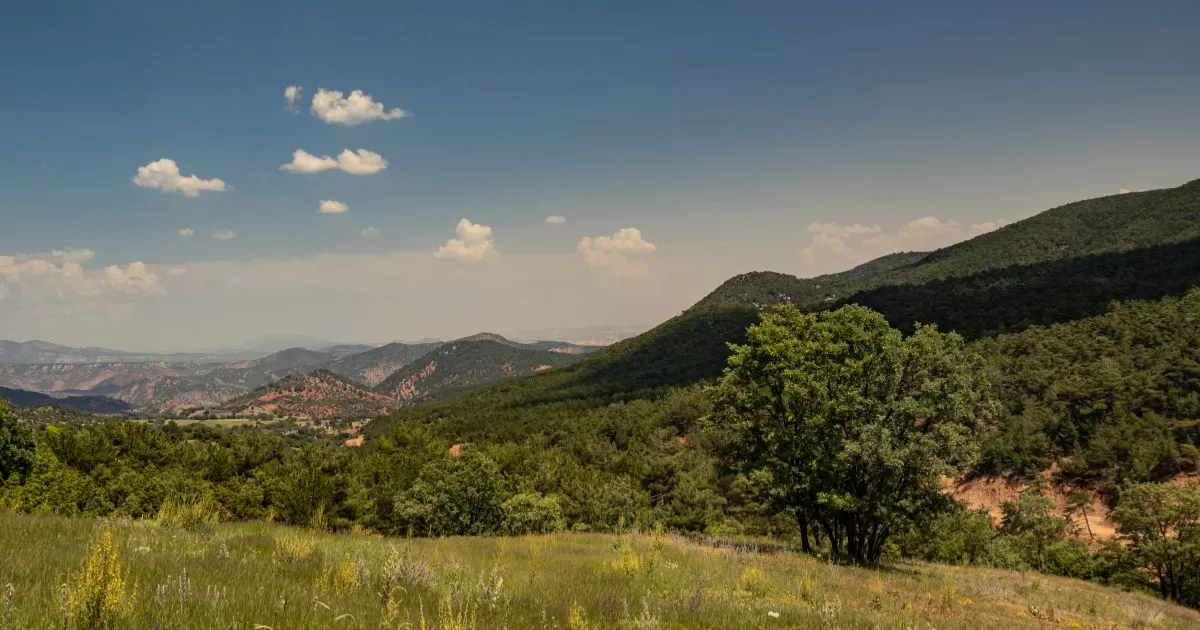
Despite its ecological importance, this range has been at the center of controversy in the Aravalli Hills for decades. This conflict stems primarily from the tension between environmental protection and industrial demands.
Why are the Aravalli hills being cut or mined?
- Illegal Mining: The hills are rich in minerals like marble, granite, and copper. Rampant illegal mining has caused several peaks to vanish entirely, leading to increased dust pollution and the loss of natural windbreaks.
- Encroachment: Urbanization in the National Capital Region (NCR) has seen forests cleared for real estate developments and farmhouses.
- Legal Battles: The Supreme Court of India has intervened multiple times, banning mining in sensitive areas and ordering the demolition of illegal structures (notably in the Khori Gaon case) to protect the “green lungs” of North India.
The Great Green Wall of India Project
The Aravalli Range acts as a natural barrier that stands like a wall to protect the land. Its main job is to stop the Thar Desert from spreading eastward. Without these hills, the sandy desert would move into the green and fertile plains of the Ganges River. This oldest mountain range in India prevents a large part of northern India from becoming a desert.
To help this process, the Aravalli Green Wall Project was launched in March 2023. This project is also called the Great Green Wall of India. It is an ambitious plan to plant many trees and create a green buffer along the mountains. Inspired by a project in Africa, it aims to fight land degradation, desertification, and climate change in northwest India.
Project Overview
The project is a 1,400 km long and 5 km wide green belt planned to run from Porbandar, Gujarat, to Panipat, Haryana, encompassing areas in Gujarat, Rajasthan, Haryana, and Delhi. It involves planting native species, rejuvenating water bodies, and implementing soil conservation measures.
Frequently Asked Questions (FAQs)
What is the Aravalli Range famous for? The Aravalli Range is famous for being one of the oldest mountain chains in the world. It is known for its ancient quartzite rocks, beautiful hill stations like Mount Abu, and massive historical forts.
Where is the Aravalli Range located? This range stretches across northwestern India. It starts in Gujarat and runs mainly through the state of Rajasthan.
Is the Aravalli Range present in Delhi? Yes, the range ends in Delhi at the Raisina Hill. This part of the mountains is known as the Delhi Ridge and acts as the “green lungs” for the city.
Why does the Aravalli Range matter today? These mountains are a vital life-support system. They act as a natural wall that stops the Thar Desert from spreading into fertile lands. They also help fight climate change through the new “Great Green Wall” tree-planting project.
Is the Aravalli Range safe for trekking and tourism? It is generally safe for visitors during the day. It is best to trek in groups, stay on marked paths, and enjoy the nature reserves before it gets dark.
Conclusion
The Aravalli Range is more than just an ancient geological landmark. It is a silent guardian of North India’s climate and a vital sanctuary for both wildlife and local culture. Although it faces constant threats from industrial demands and urban expansion, initiatives like the “Great Green Wall of India” offer hope for its restoration.
Saving the Aravalli range is not just about saving a mountain range – it’s about securing the ecological future and water security of millions of people who live in its shadow.
Related Articles –
- Ramgarh Vishdhari Tiger Reserve: Bundi’s Wild Heart
- Kumbhalgarh Fort: The Great Wall of India | Tour Guide
- Forts and Palaces of Rajasthan – A Glimpse of the Royal Past
- Best Places to visit in Jaipur | Guide to the Pink City
- Tiger Reserve in Rajasthan – A Guide to 5 Sanctuaries
Social Media – Instagram | x.com